Leafy aromatics
Spearmint, peppermint, lemon balm, and verbena. Bright, green, and forgiving — a good place for new blenders to start.
We document how loose herbs, dried flowers, and garden cuttings come together in the cup. Every recipe here is shared as general culinary reading — measurements, timings, and tasting notes you can adapt at home.
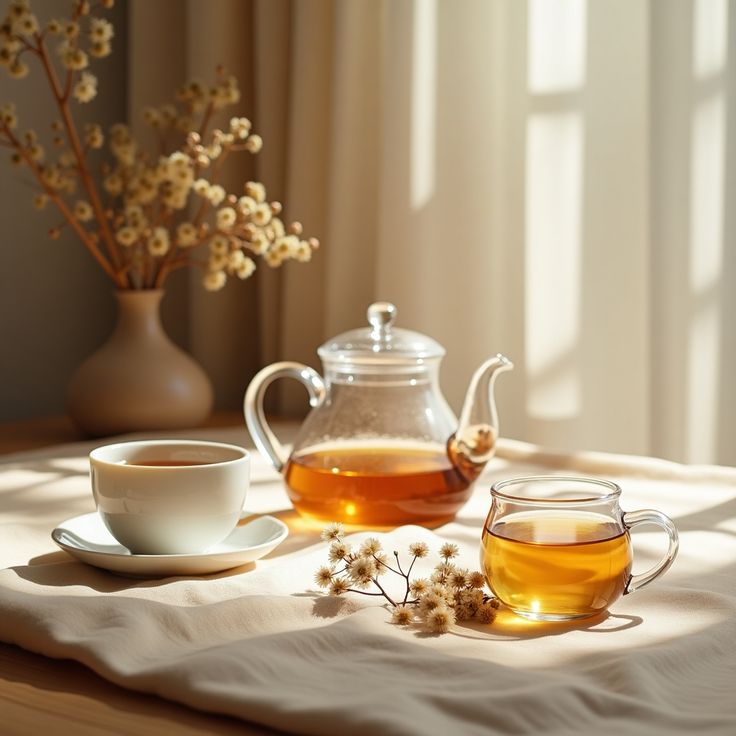
This site began as a private folder of brewing notes — scribbles about how long a flower wanted in hot water, which leaf turned bitter when crowded, and which pairings simply tasted good together. We have since tidied those notes into recipes that anyone can follow.
Everything you read here is written for general interest and home experimentation. We describe flavour, aroma, texture, and method. We do not offer advice about health conditions, and we encourage readers to treat the content as culinary writing rather than guidance of any other kind.
See how we test a recipeMost of our recipes are built from a handful of dependable ingredients. Here is how we group the jars on the shelf.
Spearmint, peppermint, lemon balm, and verbena. Bright, green, and forgiving — a good place for new blenders to start.
Chamomile, rose, hibiscus, and elderflower for colour and a softer, rounder cup.
Dried apple, orange, and lemon peel that lift a blend with a clean, fruity edge.
Ginger, fennel, and cardamom used sparingly to add warmth and a little structure underneath the lighter notes.
Recipes only earn a place here once they read the same way twice. To keep things repeatable, we record each one through the same simple sequence.
We note the exact grams of each herb so a cup can be rebuilt later.
Delicate flowers prefer cooler water; sturdy roots can take a hotter pour.
We taste at intervals and write down the minute the cup tastes balanced.
Colour, aroma, and flavour go into the notebook in plain language.
A good herbal recipe is mostly patience and a kitchen scale. The rest is paying attention to what the cup is telling you.
Recipe writer & founder
Ingredients taste different across the year, so our archive is organised by harvest window rather than by trend.
Young mint and lemon balm leaves, kept brief in the water to hold their green, grassy character.
Chamomile and rose at their most fragrant, blended with a little dried fruit peel.
Fennel, cardamom, and ginger for cups with a touch more body as evenings draw in.
Dried citrus peel and warming seeds drawn from jars we filled earlier in the year.
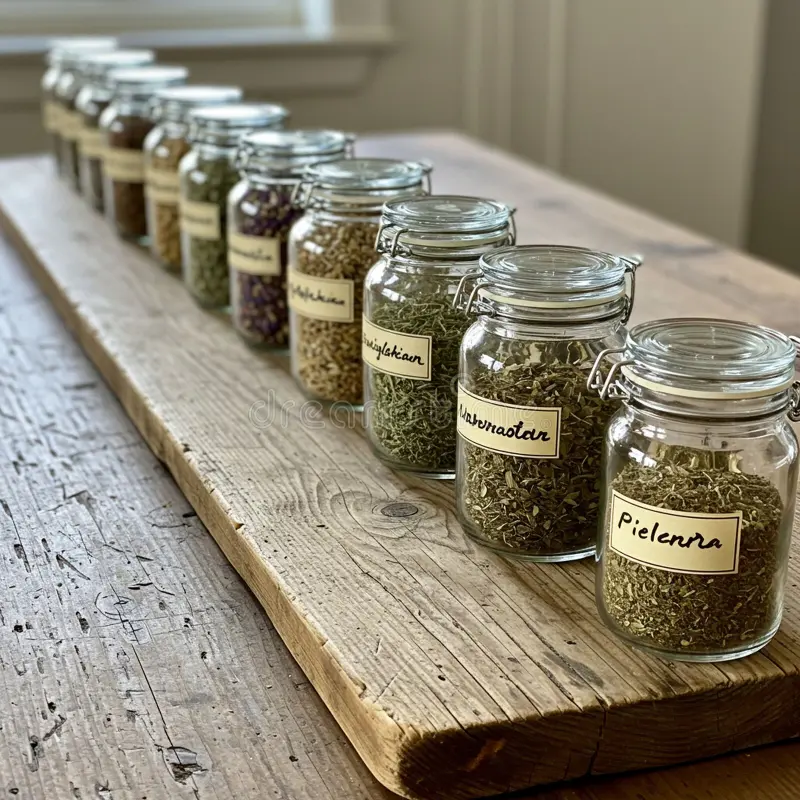
The recipes here are the product of a small team that has spent years tasting, weighing, and rewriting blends. We buy herbs from growers we have visited, dry many of them ourselves, and keep a dated log of every batch.
No. Mobilityufloraor is a reading and reference project. We publish recipes, ingredient descriptions, and brewing notes. We do not sell products through this website.
A kettle, a teapot or large mug, a small strainer, and ideally a kitchen scale. The scale is what lets you repeat a cup you enjoyed rather than guessing each time.
Please do. Treat the measurements as a starting point. Adjust the ratio of leaf to flower, change the steep time, and write your own version in the margin.
Send us a short note and we will reply with what we know. We read every message ourselves.
Open the contact page